
Summarize this blog post with: ChatGPT | Perplexity | Claude | Grok
If you’ve noticed painful pimples, itchy bumps, or recurring breakouts on your scalp, you’re not alone. Many people focus on facial acne while overlooking the factors that cause scalp acne to keep returning. In this guide, you’ll learn the real causes of scalp acne, the most effective treatment options, and practical steps to prevent future breakouts.
Key Takeaways
- Scalp acne is a condition that develops when hair follicles become clogged with oil, dead skin cells, bacteria, or product buildup.
- Common scalp acne symptoms include pimples, red bumps, itching, tenderness, and pus-filled lesions.
- Regular scalp cleansing and avoiding pore-clogging hair products can help prevent future breakouts.
- Active ingredients such as salicylic acid, ketoconazole, and benzoyl peroxide may help reduce scalp acne symptoms.
- Persistent or severe scalp acne may require prescription treatments from a dermatologist.
- Scalp acne can resemble folliculitis, making proper diagnosis important.
- Early treatment reduces the risk of infection, scarring, and potential hair loss complications.
What Is Scalp Acne?
Scalp acne is a condition in which hair follicles become clogged with oil, dead skin cells, bacteria, or hair product buildup, leading to pimples and inflammation.
First, scalp acne develops similarly to facial acne. The main difference is that it occurs beneath hair, making it harder to notice and treat. For example, many people discover scalp acne only after experiencing tenderness while brushing their hair.
Moreover, scalp acne can appear as:
- Small red bumps
- Whiteheads
- Painful pimples
- Pus-filled lesions
- Itchy scalp bumps
- Deep cyst-like nodules
Scalp acne treatment typically involves reducing follicle blockage, controlling excess oil, and addressing bacterial or fungal overgrowth.
How Is Scalp Acne Different From Scalp Folliculitis?
Scalp folliculitis involves inflammation or infection of hair follicles and may closely resemble scalp acne.
For example, folliculitis often develops after bacterial or fungal infections, while traditional scalp acne is more closely linked to clogged pores and excess oil production.
|
Feature |
Scalp Acne |
Scalp Folliculitis |
|---|---|---|
|
Main Cause |
Clogged follicles |
Infection or inflammation |
|
Appearance |
Pimples and bumps |
Small itchy pustules |
|
Oil Production |
Often increased |
May be normal |
|
Treatment |
Acne-focused products |
Antifungal or antibiotic treatments |
Why Does Scalp Acne Matter?
Scalp acne matters because untreated breakouts can lead to pain, infection, scarring, and potential hair loss.
First, mild scalp acne may only cause discomfort. However, severe cases can affect confidence and daily comfort.
According to the American Academy of Dermatology, acne affects up to 50 million Americans annually — Source: AAD, 2024.
Moreover, severe scalp acne may increase the risk of scarring and hair loss if left untreated. For example, chronic inflammation can damage hair follicles over time.
Can Scalp Acne Cause Hair Loss?
Scalp acne can contribute to temporary hair thinning when inflammation damages nearby follicles.
Furthermore, scratching itchy bumps may worsen inflammation and increase follicle damage. For example, repeatedly picking at scalp lesions can create scar tissue that interferes with healthy hair growth.
What Causes Pimples and Breakouts on the Scalp?
Scalp acne causes include excess oil production, clogged follicles, bacteria, sweat, and irritating hair products.
First, understanding the cause helps you choose the most effective treatment.
Excess Sebum Production
Excess sebum production increases the likelihood of clogged follicles.
For example, individuals with naturally oily skin often experience both facial acne and scalp acne.
Hair Product Buildup
Hair product buildup can trap oil and dead skin cells on the scalp.
For example, heavy pomades, waxes, and oils may block follicles when used frequently.
Sweat and Friction
Sweat and friction create an environment that encourages breakouts.
For example, athletes who wear helmets regularly may develop acne along pressure points.
Hormonal Changes
Hormonal fluctuations can increase oil production and trigger scalp breakouts.
For example, puberty, pregnancy, and periods of high stress often coincide with increased acne activity.
Stress and Lifestyle Factors
Stress may indirectly worsen acne by increasing inflammation and affecting hormone levels.
According to a review published in Dermatology Reports, stress can influence acne severity through hormonal pathways — Source: Dermatology Reports, 2023.
What Are the Common Symptoms of Scalp Acne?
Scalp acne symptoms include painful bumps, itching, redness, tenderness, and inflammation.
First, symptoms vary depending on severity.
Mild Scalp Acne
- Small pimples
- Occasional itching
- Minor redness
Moderate Scalp Acne
- Multiple inflamed bumps
- Tenderness
- Recurring breakouts
Severe Scalp Acne
- Large painful nodules
- Pus-filled lesions
- Scarring risk
- Hair thinning
Persistent scalp acne that does not improve with over-the-counter treatments may require prescription medications from a dermatologist.
What Are the Most Effective Treatments for Scalp Acne?
The most effective scalp acne treatments combine medicated cleansing, proper scalp hygiene, and targeted acne-fighting ingredients.
According to the American Academy of Dermatology, salicylic acid and benzoyl peroxide remain among the most commonly recommended acne-fighting ingredients — Source: AAD, 2024.
Salicylic Acid
Salicylic acid helps remove excess oil and dead skin cells from clogged follicles.
For example, medicated shampoos containing salicylic acid can help reduce recurring scalp breakouts.
Benzoyl Peroxide
Benzoyl peroxide helps reduce acne-causing bacteria on the scalp.
For example, dermatologists often recommend benzoyl peroxide washes for acne-prone skin.
Ketoconazole
Ketoconazole is an antifungal ingredient that may help when fungal overgrowth contributes to scalp inflammation.
For example, people experiencing dandruff and scalp acne simultaneously may benefit from ketoconazole shampoos.
Prescription Treatments
Prescription medications may be necessary for severe or persistent scalp acne.
Examples include:
- Topical antibiotics
- Oral antibiotics
- Retinoids
- Corticosteroid injections
Which Shampoo Ingredients Help Treat Scalp Acne?
The best scalp acne shampoo ingredients target oil, inflammation, bacteria, and fungal growth.
Recommended Ingredients
|
Ingredient |
Primary Benefit |
|---|---|
|
Salicylic Acid |
Exfoliates clogged follicles |
|
Ketoconazole |
Controls fungal overgrowth |
|
Zinc Pyrithione |
Reduces irritation |
|
Tea Tree Oil |
Provides antimicrobial effects |
|
Benzoyl Peroxide |
Targets acne-causing bacteria |
Medicated shampoos containing salicylic acid, ketoconazole, or other antimicrobial ingredients are commonly used to manage scalp acne symptoms.
Image Suggestion

How Can You Treat Scalp Acne Naturally at Home?
Natural scalp acne treatment focuses on reducing irritation, controlling oil, and maintaining scalp hygiene.
Step 1: Wash Regularly
Regular scalp cleansing helps remove excess oil and product buildup.
For example, washing after intense workouts can reduce sweat accumulation.
Step 2: Avoid Heavy Hair Products
Heavy styling products may worsen scalp acne by blocking follicles.
For example, thick waxes and oil-based pomades often leave residue behind.
Step 3: Keep Hair Accessories Clean
Dirty hats, helmets, and pillowcases can contribute to recurring breakouts.
For example, changing pillowcases weekly can reduce bacteria transfer.
Step 4: Eat a Balanced Diet
A balanced diet may support overall skin health by reducing inflammation.
How Can You Prevent Scalp Acne From Coming Back?
Scalp acne prevention involves maintaining healthy scalp habits and avoiding common triggers.
First, prevention is often easier than treatment. Small daily habits can significantly reduce future breakouts.
Prevention Checklist
- Wash hair regularly
- Avoid excessive product use
- Clean hats and helmets frequently
- Manage stress levels
- Avoid scratching the scalp
- Use non-comedogenic hair products
Regular scalp cleansing and avoiding heavy hair products can help reduce the risk of recurring scalp acne.
When Should You See a Dermatologist for Scalp Acne?
You should see a dermatologist when scalp acne becomes painful, severe, persistent, or causes hair loss.
First, professional evaluation helps identify underlying conditions such as folliculitis, fungal infections, or inflammatory disorders.
Seek medical care if you experience:
- Severe pain
- Widespread scalp lesions
- Hair loss
- Fever or infection signs
- No improvement after several weeks
What Tools and Products Can Help Manage Scalp Acne?
Effective scalp acne management combines appropriate products with consistent scalp care habits.
Popular treatment categories include:
- Salicylic acid shampoos
- Ketoconazole shampoos
- Benzoyl peroxide cleansers
- Gentle scalp exfoliators
- Non-comedogenic hair products
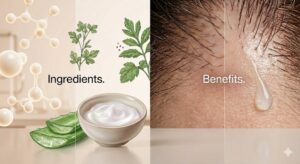
Custom Diagram Suggestion
What’s Next: Building a Long-Term Scalp Health Routine
A long-term scalp health routine focuses on consistency rather than quick fixes.
First, start by identifying potential triggers such as oily products, excessive sweating, or stress.
Second, choose a treatment shampoo containing evidence-based ingredients.
Third, monitor your scalp for changes and seek medical advice if symptoms worsen.
By maintaining healthy habits consistently, you can significantly reduce future breakouts and improve overall scalp health.
Conclusion
Scalp acne treatment is most effective when it addresses both the underlying causes and daily scalp care habits.
Throughout this guide, we’ve covered what scalp acne is, why it develops, the best treatment options, prevention strategies, and when to seek professional help. Whether your breakouts are mild or severe, taking action early can reduce discomfort and lower the risk of long-term complications.
By following a consistent scalp care routine and using appropriate treatment products, you can achieve a healthier, clearer scalp over time.
Written by
Sunny Kushwaha founder of PaperHosp, researching and writing health content using trusted sources including WHO publications, government health portals, and hospital/medical institution websites.
Disclaimer: This article was initially drafted using AI assistance. However, the content has undergone thorough revisions, editing, and fact-checking by human editors and subject matter experts to ensure accuracy.
very nice post, appreciate it