
Summarize this blog post with: ChatGPT | Perplexity | Claude | Grok
You might already be dealing with painful or itchy bumps on your scalp and trying random shampoos to fix them. But most people don’t realize that scalp acne has specific causes—and using the wrong products can make it worse. In this guide, you’ll learn exactly what causes scalp acne and the most effective treatments to get rid of it fast.
Key Takeaways
- Scalp acne is a condition where hair follicles become clogged with oil, dead skin, and bacteria, leading to pimples on the scalp.
- Effective treatment depends on severity and includes hygiene, medicated shampoos, and sometimes prescription medication.
- Salicylic acid, benzoyl peroxide, and antifungal ingredients help unclog pores and reduce scalp acne.
- Avoiding oily hair products and maintaining scalp hygiene significantly reduces breakouts.
- Severe scalp acne may require antibiotics or retinoids prescribed by a doctor.
- A consistent scalp care routine prevents recurrence and improves overall scalp health.
What Is Scalp Acne?
Scalp acne is a condition where hair follicles become clogged with oil, dead skin cells, and bacteria, leading to pimples on the scalp.
First, this condition develops when pores on your scalp get blocked by sebum (natural oil), dirt, or product buildup. For example, using heavy hair gels or skipping hair wash after sweating can clog follicles and trigger breakouts. source
Moreover, scalp acne can appear as:
- Whiteheads and blackheads
- Red, inflamed bumps
- Painful cysts under the skin
At the same time, it’s often confused with scalp folliculitis, which is caused by infection rather than clogged pores.
Scalp acne treatment involves cleansing the scalp, using medicated products, and reducing oil and product buildup.
To read on Hair Fall Treatment.
Why Scalp Acne Treatment Matters
Scalp acne treatment is important because untreated breakouts can lead to pain, infection, and even hair loss.
First, severe scalp acne can damage hair follicles and cause temporary or permanent hair thinning. For example, cystic acne can leave scars that stop hair from growing in affected areas. source
Second, scalp acne can affect your daily comfort. It causes:
- Itching and irritation
- Pain while combing or styling
- Reduced confidence
Moreover, acne affects nearly 80% of people aged 11–30 — Source: Cleveland Clinic, 2022
Early treatment reduces complications and speeds up healing.
What Causes Scalp Acne and Pimples on the Head?
Scalp acne is caused by clogged hair follicles due to oil, dead skin cells, bacteria, or product buildup.
First, excess oil production is a major trigger. For example, people with oily scalp types are more prone to acne because oil traps dirt and bacteria.
Second, poor scalp hygiene can worsen the problem. For example, not washing hair after workouts allows sweat and bacteria to accumulate. source
Common Causes of Scalp Acne
- Product buildup (hair sprays, oils, gels)
- Sweat and poor hygiene
- Hormonal changes
- Stress and diet
- Wearing tight helmets or caps
Moreover, bacteria like Cuti Bacterium acnes and fungi can inflame clogged pores and cause breakouts. source
What Are the Types of Scalp Acne?
Scalp acne types range from mild whiteheads to severe cystic lesions that can damage the scalp.
First, mild acne includes:
- Whiteheads
- Blackheads
Second, moderate acne includes:
- Papules (inflamed bumps)
- Pustules (pus-filled pimples)
Third, severe acne includes:
- Nodules
- Cysts
For example, cystic acne is deep, painful, and often requires medical treatment.
|
Type |
Severity |
Symptoms |
|---|---|---|
|
Whiteheads |
Mild |
Small bumps |
|
Pustules |
Medium |
Red, inflamed |
|
Cysts |
Severe |
Painful, deep |
Severe scalp acne may lead to scarring and hair loss if untreated.
How Can You Treat Scalp Acne at Home Naturally?
Scalp acne can be treated at home by maintaining hygiene, using gentle products, and avoiding pore-clogging substances.
First, wash your hair regularly. For example, washing after sweating removes oil and bacteria buildup.
Second, switch to non-comedogenic hair products. These products do not clog pores.
Third, avoid touching or scratching your scalp. This spreads bacteria and worsens inflammation.
Effective Home Remedies
- Tea tree oil (antibacterial)
- Apple cider vinegar rinse
- Aloe vera gel
Natural remedies help reduce inflammation but may take time to show results.
Which Ingredients Are Best for Scalp Acne Treatment?
Salicylic acid and benzoyl peroxide are commonly used ingredients that help unclog pores and reduce scalp acne.
First, salicylic acid exfoliates dead skin cells. For example, it clears blocked follicles and prevents new pimples.
Second, benzoyl peroxide kills acne-causing bacteria.
Third, antifungal ingredients like ketoconazole help if fungus is involved.
Best Ingredients for Scalp Acne
- Salicylic acid
- Benzoyl peroxide
- Ketoconazole
- Glycolic acid
Moreover, medicated shampoos often contain these ingredients for targeted treatment. source
What Is the Difference Between Scalp Acne and Folliculitis?
Scalp acne is caused by clogged pores, while folliculitis is caused by infected hair follicles.
First, acne results from oil and dead skin buildup.
Second, folliculitis is usually due to bacteria or fungus infection.
For example, folliculitis often causes itchy, red bumps with pus.
|
Feature |
Scalp Acne |
Folliculitis |
|---|---|---|
|
Cause |
Clogged pores |
Infection |
|
Symptoms |
Pimples |
Itchy bumps |
|
Treatment |
Acne products |
Antibiotics/antifungals |
Correct diagnosis ensures effective treatment.
How Long Does It Take for Scalp Acne to Go Away?
Scalp acne typically takes 2–6 weeks to improve with proper treatment.
First, mild acne may clear within a few weeks using OTC products.
Second, severe acne can take longer and may require prescription treatment.
For example, Cleveland Clinic notes that treatment results can take up to six weeks — Source: Cleveland Clinic, 2022
Consistency in treatment is key for faster recovery.
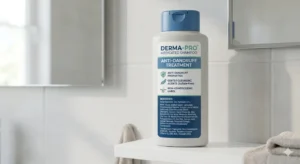
What Are the Best Shampoos for Treating Scalp Acne?
The best shampoos for scalp acne contain ingredients that reduce oil, bacteria, and buildup.
First, look for salicylic acid shampoos for exfoliation.
Second, use antifungal shampoos like ketoconazole if needed.
Third, choose oil-free and sulfate-balanced formulas.
What to Look For
- Non-comedogenic label
- Anti-dandruff properties
- Gentle cleansing agents
Using the right shampoo regularly can prevent future breakouts.
When Should You See a Doctor for Scalp Acne?
You should see a doctor for scalp acne if it is severe, painful, or causing hair loss.
First, persistent acne that doesn’t improve with home remedies needs medical attention.
Second, symptoms like bleeding, swelling, or bald patches require evaluation.
Medical Treatments
- Oral antibiotics
- Topical steroids
- Isotretinoin
Persistent scalp acne may require prescription treatments such as antibiotics or isotretinoin.
How Can You Prevent Scalp Acne from Coming Back?
Scalp acne prevention involves maintaining hygiene, using the right products, and avoiding triggers.
First, wash your hair regularly based on your scalp type.
Second, avoid oily styling products.
Third, maintain a healthy diet and manage stress.
Daily Scalp Care Routine
- Wash hair 2–3 times weekly
- Use gentle shampoo
- Avoid heavy oils
- Clean pillowcases regularly
Regular scalp hygiene and non-comedogenic products prevent recurrence.
Tools & Practical Application for Scalp Acne Treatment
Effective scalp acne treatment tools include medicated shampoos, dermatology treatments, and hygiene routines.
First, you can use medicated shampoos with active ingredients.
Second, dermatologists may recommend prescription treatments for severe cases.
Third, lifestyle tools like diet tracking can help identify triggers.
Combining treatment with prevention gives the best results.
What’s Next: Your Action Plan for Clear Scalp
Your next step is to create a consistent scalp care routine based on your acne severity.
Start with:
- Switching to non-comedogenic shampoo
- Washing hair regularly
- Avoiding oily products
Then, if acne persists:
- Try medicated treatments
- Consult a dermatologist
By following a structured routine, you can eliminate scalp acne effectively.
Conclusion
Scalp acne treatment is most effective when you address both the cause and the symptoms consistently.
First, understanding the root cause helps you choose the right treatment.
Second, combining hygiene, medicated products, and lifestyle changes ensures long-term results.
Start today, stay consistent, and your scalp will become healthier and acne-free over time.
Frequently Asked Questions (FAQs)
1. What is the fastest way to treat scalp acne?
The fastest way to treat scalp acne is to keep your scalp clean and use medicated products like salicylic acid or benzoyl peroxide. These ingredients help unclog pores and reduce bacteria. In more severe cases, doctors may prescribe antibiotics or stronger treatments for quicker results.
2. Can scalp acne go away on its own?
Yes, mild scalp acne can go away on its own if you improve your hair care routine. For example, switching to oil-free products and washing your hair regularly can clear breakouts within a few weeks. However, persistent acne may require treatment.
3. Is scalp acne caused by dandruff?
No, scalp acne is not directly caused by dandruff, but both conditions can occur together. Scalp acne is mainly caused by clogged hair follicles, while dandruff is related to fungal overgrowth and skin shedding. Proper diagnosis helps in choosing the right treatment. source
4. Should you pop pimples on your scalp?
No, you should not pop scalp pimples because it can worsen inflammation and lead to infection or scarring. Instead, use gentle cleansing and targeted treatments to heal the acne safely. source
5. Can scalp acne cause hair loss?
Yes, severe scalp acne can cause temporary or permanent hair loss if it damages hair follicles or leads to scarring. Early treatment is important to prevent complications and protect hair growth. source
If you want, I can also generate 10 SEO-optimized FAQs with schema markup to help your blog rank in featured snippets.
Written by Sunny Kushwaha founder of PaperHosp, researching and writing health content using trusted sources including WHO publications, government health portals, and hospital/medical institution websites.
Disclaimer: This article was initially drafted using AI assistance. However, the content has undergone thorough revisions, editing, and fact-checking by human editors and subject matter experts to ensure accuracy.
good post i enjoyed it a lot
Thank you, I’m really glad you enjoyed it!