
Summarize this blog post with: ChatGPT | Perplexity | Claude | Grok
Most women experience back pain at some point and often blame it on poor posture, long work hours, or fatigue. But many female-specific causes — including hormonal changes, pregnancy, endometriosis, and osteoporosis — are frequently overlooked. In this guide, you’ll learn the real causes of back pain in females, warning signs to watch for, and practical ways to relieve and prevent it.
Key Takeaways
- Back pain in females can result from muscle strain, hormonal changes, spinal problems, pregnancy, or gynecological conditions.
- Poor posture, prolonged sitting, and weak core muscles are among the most common lifestyle-related causes of female back pain.
- Pregnancy, menstruation, menopause, and endometriosis can contribute to lower back discomfort in women.
- Red flag symptoms such as numbness, fever, bladder problems, or severe persistent pain require medical evaluation.
- Regular exercise, posture correction, stretching, and ergonomic habits can lower the risk of chronic back pain.
- Early diagnosis helps identify whether back pain is muscular, hormonal, nerve-related, or linked to an underlying medical condition.
- Most mild to moderate back pain improves with lifestyle changes, movement, and proper self-care.
What Is Back Pain in Females?
Back pain in females is discomfort or pain affecting the upper, middle, or lower back caused by muscular, hormonal, spinal, or medical conditions. The pain may appear suddenly or develop gradually over time.
First, it’s important to understand that female back pain can be acute or chronic. Acute back pain usually lasts less than six weeks, while chronic pain continues for more than three months. According to the World Health Organization, low back pain affects more than 619 million people globally and is more common in women. — Source: WHO, 2023
Moreover, women often experience back pain differently than men because of hormonal fluctuations, pregnancy, menstruation, menopause, and pelvic conditions. For example, many women notice worsening lower back pain during their menstrual cycle due to uterine contractions and inflammation.
At the same time, back pain does not always originate in the spine. Conditions affecting the kidneys, reproductive organs, muscles, or nerves can also cause pain that radiates into the lower back.
Back pain in females is commonly caused by muscle strain, hormonal changes, pregnancy, spinal conditions, or gynecological disorders.
More to read Full Body Health Checkup: The Ultimate Guide to Tests, Cost, Benefits & Best Packages (2026)
Why Does Back Pain in Females Matter?
Back pain in females matters because it can affect mobility, sleep quality, work productivity, mental health, and overall quality of life.
First, chronic back pain can interfere with simple daily activities like standing, walking, exercising, or lifting objects. For example, office workers who sit for long hours often develop posture-related lower back pain that worsens by evening.
Moreover, persistent pain may affect emotional well-being. Studies show that chronic pain is closely linked with anxiety, stress, and sleep disturbances. According to WHO, low back pain remains the leading cause of disability worldwide. — Source: WHO, 2023
Plus, women are more likely to experience back pain during specific life stages, including:
- Menstruation
- Pregnancy
- Postpartum recovery
- Perimenopause
- Menopause
That being said, early treatment can prevent minor pain from becoming a long-term problem. Poor posture, prolonged sitting, and weak core muscles are major lifestyle-related causes of chronic back pain in women.
Read more on Flat foot exercise.
What Causes Back Pain in Females?
The most common causes of back pain in females include muscle strain, poor posture, hormonal changes, spinal problems, pregnancy, and gynecological conditions.
Let’s explore the most common causes in detail.
Muscle Strain and Poor Posture
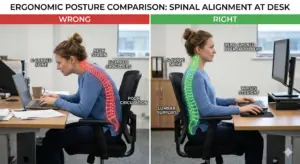
Muscle strain is one of the leading causes of lower back pain in women. Repetitive movements, heavy lifting, and sitting incorrectly for long hours can overload the muscles supporting the spine.
For example, women working at desks for 8–10 hours daily often develop tight hip muscles and weak core muscles. This imbalance increases pressure on the lower back.
Common posture-related causes include:
- Slouching while sitting
- Using unsupportive chairs
- Looking down at phones frequently
- Sleeping in poor positions
- Carrying heavy handbags on one shoulder
Hormonal Changes and Menstrual Pain
Hormonal fluctuations can trigger inflammation, muscle tension, and lower back pain in females.
During menstruation, the body releases hormone-like chemicals called prostaglandins. These chemicals help the uterus contract but can also cause cramping and back pain.
For example, many women feel dull aching pain in the lower back one or two days before their periods begin.
Additionally, hormonal shifts during menopause may weaken bones and muscles, increasing the risk of pain and stiffness.
Read more about MPV Blood Test: The Ultimate Guide to Meaning, Normal Range & Accurate Result Interpretation
Pregnancy-Related Back Pain
Pregnancy-related back pain occurs because hormonal changes loosen ligaments while increased body weight places additional stress on the spine.
According to medical research, nearly 50–70% of pregnant women experience some degree of lower back pain during pregnancy. — Source: American Pregnancy Association, 2024
Moreover, pregnancy changes your center of gravity. This shift increases strain on the lower spine and pelvic muscles.
Common pregnancy back pain triggers include:
|
Cause |
How It Affects the Back |
|---|---|
|
Weight gain |
Adds pressure to spinal joints |
|
Hormonal changes |
Loosens supporting ligaments |
|
Weak abdominal muscles |
Reduces spinal support |
|
Poor posture |
Increases lumbar strain |
Can Hormonal Changes Cause Back Pain in Females?
Hormonal changes can cause back pain in females because hormones affect inflammation, muscle tension, joint stability, and bone density.
First, estrogen plays a major role in maintaining bone strength and muscle health. During menopause, estrogen levels decline significantly. This can contribute to stiffness, joint pain, and osteoporosis.
Moreover, hormonal shifts during menstruation can increase sensitivity to pain. For example, some women experience lower back pain alongside bloating, fatigue, and pelvic cramps every month.
Additionally, hormonal disorders such as polycystic ovary syndrome (PCOS) may indirectly contribute to weight gain and inflammation, increasing stress on the spine.
Back pain and menopause are often connected through reduced bone density and muscle weakness.
Star Health Insurance Renewal, Customer Care & Share Price (Ultimate 2026 Guide)
Is Back Pain a Symptom of Endometriosis?
Endometriosis can cause lower back pain when tissue similar to the uterine lining grows outside the uterus and triggers inflammation.
First, endometriosis pain often worsens during periods. Unlike regular menstrual cramps, the pain may spread into the lower back, hips, or legs.
For example, women with endometriosis frequently describe deep pelvic pain combined with severe lower back discomfort.
Other symptoms may include:
- Painful periods
- Pain during intercourse
- Digestive discomfort
- Fatigue
- Infertility
According to studies, endometriosis affects approximately 1 in 10 women of reproductive age worldwide. — Source: WHO, 2023
What Medical Conditions Cause Severe Back Pain in Women?
Several medical conditions can cause severe back pain in women, including sciatica, kidney infections, arthritis, herniated discs, and osteoporosis.
Sciatica and Herniated Discs
Sciatica occurs when the sciatic nerve becomes compressed or irritated. The pain usually radiates from the lower back into the buttocks or legs.
For example, women with herniated discs may feel sharp shooting pain while bending, coughing, or sitting.
Symptoms often include:
- Tingling sensations
- Leg weakness
- Burning pain
- Numbness
Kidney Problems and Urinary Infections
Kidney pain can mimic lower back pain because the kidneys sit near the lower ribs on both sides of the spine.
Unlike muscle pain, kidney-related pain is often accompanied by:
- Fever
- Burning urination
- Nausea
- Blood in urine
For example, kidney stones may cause sudden severe pain that radiates toward the groin.
Osteoporosis and Arthritis
Osteoporosis weakens bones and increases the risk of spinal fractures in women.
Women after menopause are particularly vulnerable because declining estrogen reduces bone density. According to the International Osteoporosis Foundation, one in three women over age 50 experiences osteoporotic fractures worldwide. — Source: IOF, 2024
How Can You Tell if Female Back Pain Is Serious?
Back pain in females may be serious if it occurs with neurological symptoms, fever, unexplained weight loss, or bladder problems.
First, mild muscular pain usually improves with rest and movement within a few days. However, some symptoms require immediate medical attention.
Warning Signs You Should Never Ignore
Seek medical help if back pain occurs with:
- Fever or chills
- Numbness in legs
- Loss of bladder control
- Sudden weakness
- Unexplained weight loss
- Severe nighttime pain
- Pain after an injury
Back pain accompanied by fever, numbness, bladder problems, or unexplained weight loss may indicate a serious medical condition requiring urgent evaluation.
Moreover, persistent pain lasting longer than 6–12 weeks should be evaluated by a healthcare professional.
What Are the Best Exercises for Back Pain Relief in Women?
The best exercises for back pain relief in women strengthen the core muscles, improve flexibility, and reduce spinal stress.
According to a recent study, walking more than 100 minutes daily may reduce the risk of chronic low back pain by 23%. — Source: JAMA Network Open, 2024
Walking and Gentle Movement
Walking improves blood circulation, spine mobility, and muscle activation.
For example, even a 20-minute daily walk can reduce stiffness caused by prolonged sitting.
Yoga and Stretching
Yoga helps improve flexibility and posture while reducing muscular tension.
Helpful stretches include:
- Cat-cow stretch
- Child’s pose
- Pelvic tilts
- Knee-to-chest stretch

Strengthening the Core
Strong abdominal and glute muscles support the spine and reduce pressure on the lower back.
Helpful exercises include:
- Bridges
- Bird-dog exercise
- Modified planks
- Dead bugs
How Can Women Prevent Chronic Back Pain Naturally?
Women can prevent chronic back pain naturally through movement, posture correction, stress management, and healthy lifestyle habits.
First, maintaining a healthy body weight reduces pressure on spinal joints. For example, excess abdominal weight often increases strain on the lower spine.
Additionally, ergonomic improvements can make a major difference. Small changes such as adjusting desk height or using lumbar support may reduce daily strain.
Healthy Habits That Support Spinal Health
- Stay physically active
- Avoid prolonged sitting
- Use supportive footwear
- Sleep on a supportive mattress
- Practice stress reduction techniques
- Strengthen core muscles regularly
Moreover, anti-inflammatory foods may help reduce chronic inflammation linked to pain.
Tools and Practical Applications for Managing Back Pain
Back pain management tools help improve posture, reduce strain, and support recovery.
Useful tools include:
|
Tool |
Purpose |
|---|---|
|
Lumbar support cushion |
Improves sitting posture |
|
Standing desk |
Reduces prolonged sitting |
|
Heating pad |
Relaxes tight muscles |
|
Foam roller |
Improves muscle mobility |
|
Resistance bands |
Strengthens supporting muscles |
Additionally, free tools like posture reminder apps and stretching videos can help build healthier habits.
What Should You Do Next if You Have Back Pain?
Women experiencing persistent back pain should track symptoms, improve lifestyle habits, and seek medical advice if symptoms worsen.
First, pay attention to when the pain appears. For example, pain linked to menstruation may suggest hormonal causes, while pain after lifting may indicate muscular strain.
Second, start with conservative care strategies such as stretching, walking, hydration, and posture correction.
Third, consult a doctor if pain persists longer than several weeks or if warning signs appear.
Doctors may recommend:
- Physical examination
- X-rays or MRI scans
- Blood tests
- Physiotherapy
- Medication
- Lifestyle modifications
Early diagnosis helps identify whether back pain is muscular, nerve-related, hormonal, or linked to an underlying medical condition.
Conclusion
Back pain in females can result from everyday lifestyle habits, hormonal fluctuations, pregnancy, or underlying medical conditions. While mild pain often improves with movement and self-care, persistent or severe symptoms should never be ignored.
Moreover, simple lifestyle changes like better posture, regular exercise, stress management, and early medical evaluation can make a major difference. By understanding the real causes behind female back pain, you can take proactive steps toward long-term spinal health and overall well-being.
Written by: Sunny Kushwaha founder of PaperHosp, researching and writing health content using trusted sources including WHO publications, government health portals, and hospital/medical institution websites.
Disclaimer: This article was initially drafted using AI assistance. However, the content has undergone thorough revisions, editing, and fact-checking by human editors and subject matter experts to ensure accuracy.